YOUR LIFE. YOUR JOURNEY. YOUR POTENTIAL.

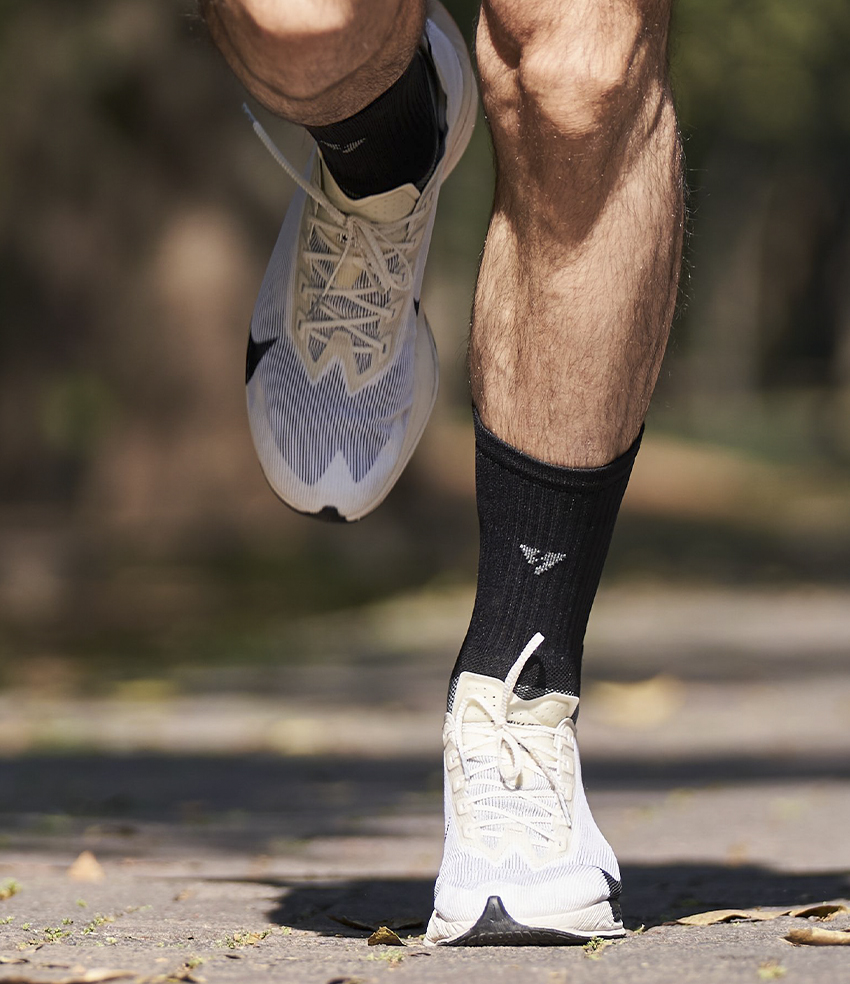
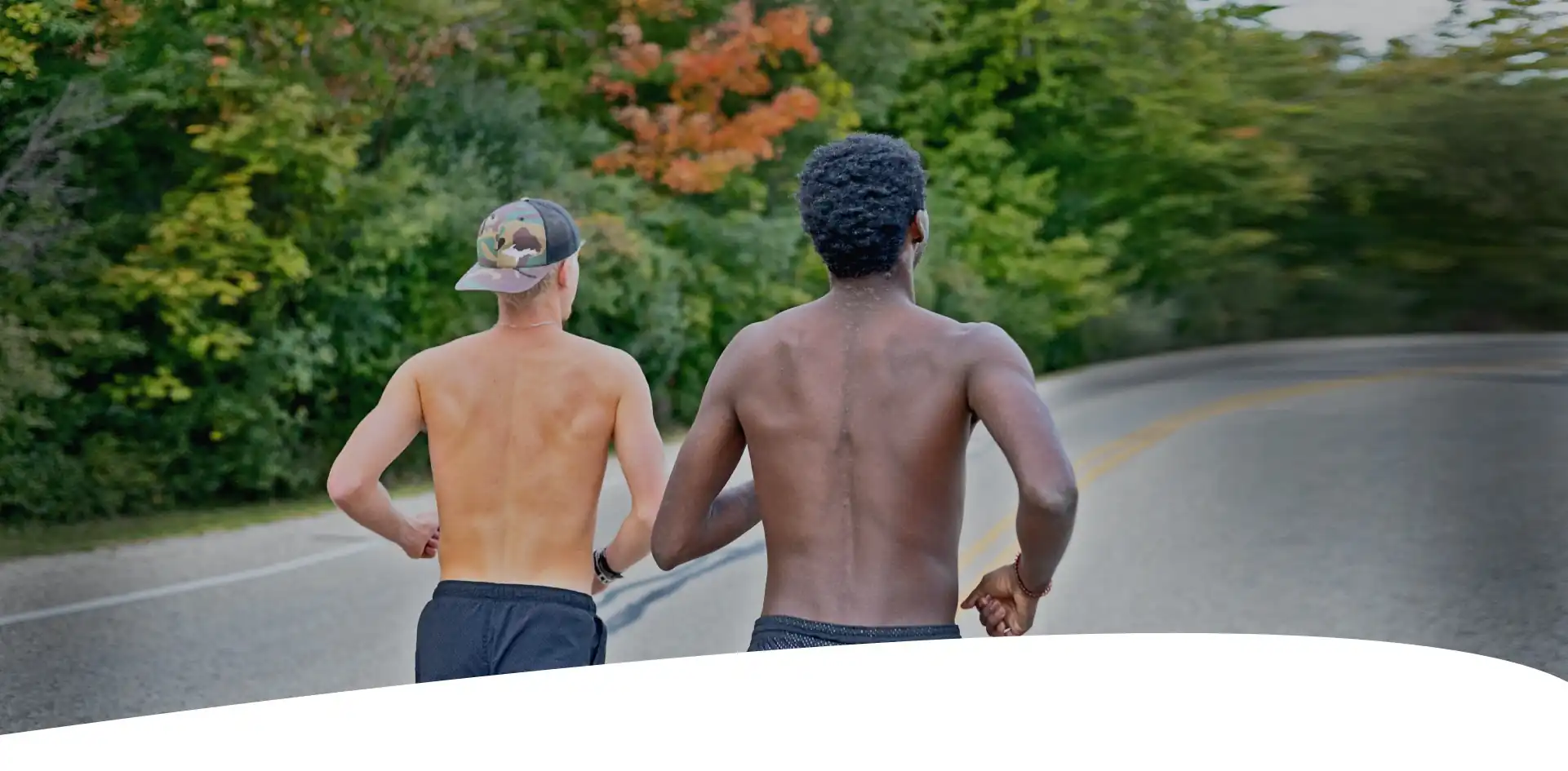
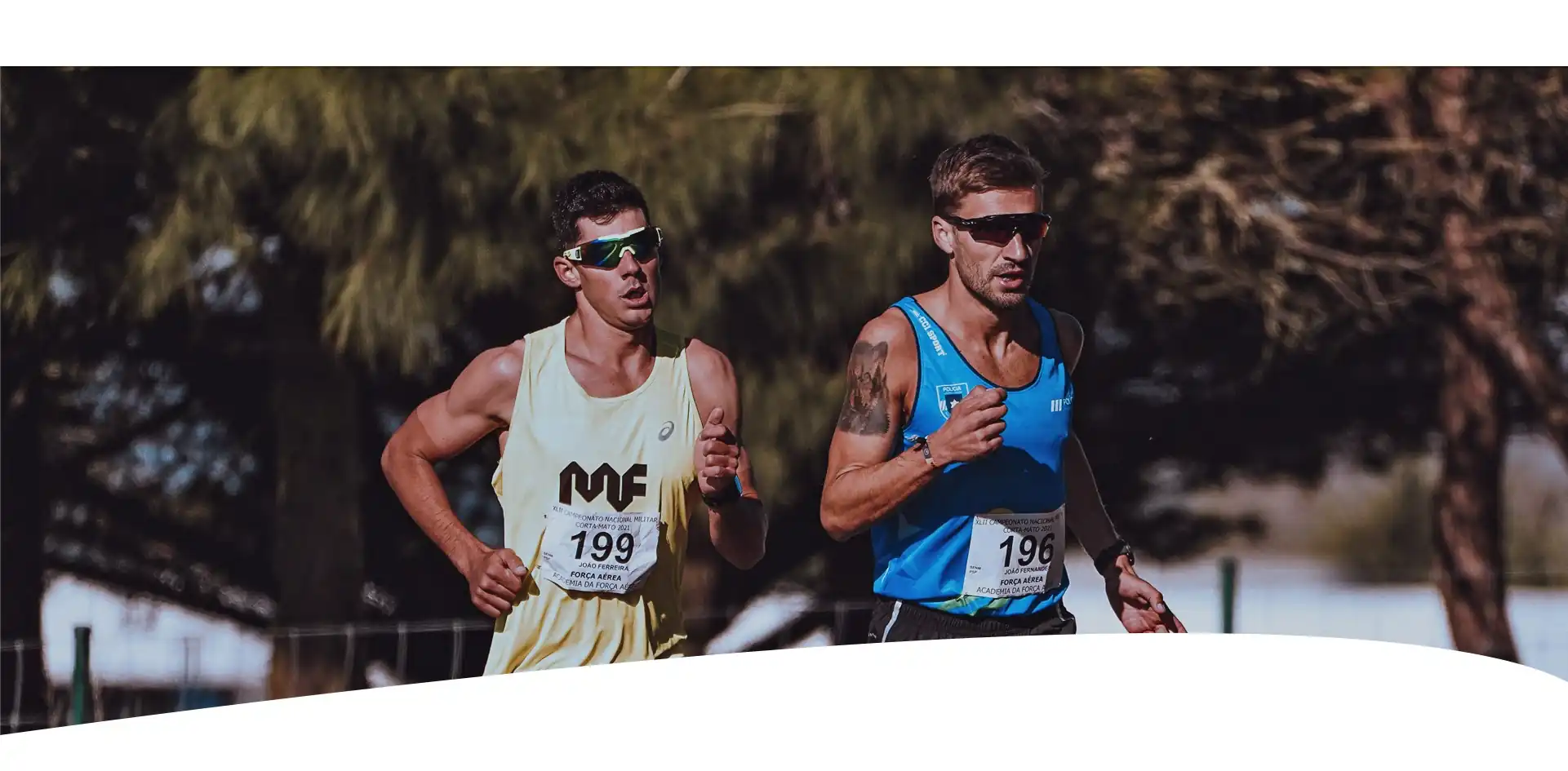
Understanding the significance of stride angle is crucial for optimizing running performance. With many endurance sports relying on running as part of the game, it's only fitting to speak on the importance of increasing stride angle. The stride angle, referring to the angle formed between the front foot and the center of mass during each step, plays a pivotal role in running efficiency and injury prevention.
A proper stride angle contributes to a more effective and energy-conserving running gait, helping athletes achieve better speed and endurance. The best part about improving your running mechanics and efficiency is that you get faster without becoming more aerobically or anaerobically fit. However, you still get faster! Bob Prichard, the President of Somax Sports and a sports coach specializing in microfiber reduction and motion analysis, explained this research years ago (Prichard, B. n.d.).
By focusing on maintaining an appropriate stride angle, runners can enhance their biomechanics and reduce the risk of injuries. Most running injuries typically result from improper mechanics. An optimal stride angle promotes a balanced distribution of forces across the body, preventing excessive stress on specific joints and muscles. This balanced distribution is essential for minimizing the likelihood of overuse injuries and improving overall durability, allowing athletes to sustain their training regimens and reach their performance goals.
Simple Solution
All these aspects of stride angle and proper mechanics are tied into the argument that simply getting more fit isn't always the answer to improvement. The running world is often caught up in fancy training methods and the quest for a secret sauce to improvement. This is a simple solution to improving paces as well as personal bests, and perhaps the most important aspect is staying healthy.
If all this information isn't enough to make an athlete question the benefit of having a greater stride angle and better mechanics, then perhaps more light can be shed by considering Bob Prichard's research as stated in the "Elite Runner Program."
Over a fifteen-year span, Somax videotaped and analyzed more than 4,500 runners. In a short period, they were able to show each runner how their injury and performance problems were a result of their stride mechanics. For instance, runners with a lot of over stride often had chondromalacia or softening and pain under the kneecap. Runners who bounced up and down a lot often had stress fractures in the pelvis. Runners with toe lift had shin splints. Runners with more than 2-3 degrees of crossover had chronic running injuries to their feet, knees, and hips (Prichard, B. n.d.).
A quick check of their flexibility in running-specific ranges revealed the cause of these problems. Runners who ran out of breath during a race always had a lack of flexibility in their chest, diaphragm, and abdomen. Runners with an overstride always had a small stride angle as a result of stiffness in their hips (Prichard, B. n.d.).
The founders of Ultra K thrive on thinking outside the box when it comes to improving performance, especially in a safe and healthy way. That's why including information such as stride angle is so important to our "why" of providing a safety net of reliability.
Prichard , B. (n.d.). http://www.somaxsports.com/eliterunner.php. Elite Runner Program . http://www.somaxsports.com/eliterunner.php
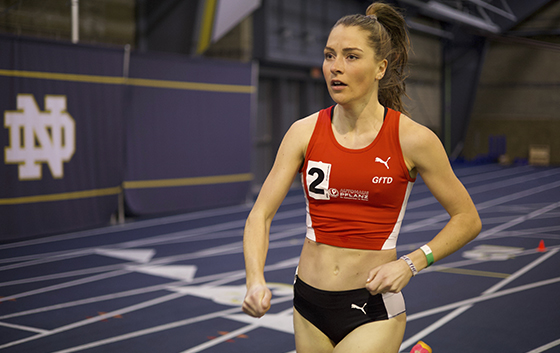
NCAA Track & Field
Carolin, a German athlete, joined the NCAA track and field scene, opting to compete for UW-Parkside from the fall of 2021. Following several weeks of participation in cross country, Carolin introduced vitamin K and vitamin D into her supplement routine. Through consistent effort and dedication, she successfully lowered her 800-meter personal record during that season from 2:14 to 2:09, earning her a spot at the D2 indoor nationals, where she secured an 11th-place finish nationally. Post-MBA graduation, Carolin continues her athletic journey as a member of the LG Olympia Dortmund track & field team in Germany. In the 2023 outdoor season, she qualified for the German outdoor nationals, achieving a commendable 16th place in the 800-meter event. Pursuing her fitness aspirations, Carolin remains dedicated to her goals, aided by the support of Ultra K, aligning with the brand's mission to assist athletes in realizing their genuine potential.

Manufactured and Distributed by:Koncentrated K, Inc.
P.O. Box 343, Manistique, MI 49854
www.UltraKVitamins.com
Copyright © 2023 - 2026 Koncentrated K, All rights reserved. Site Map | Privacy Policy





 Web Design: www.superiorweb.net